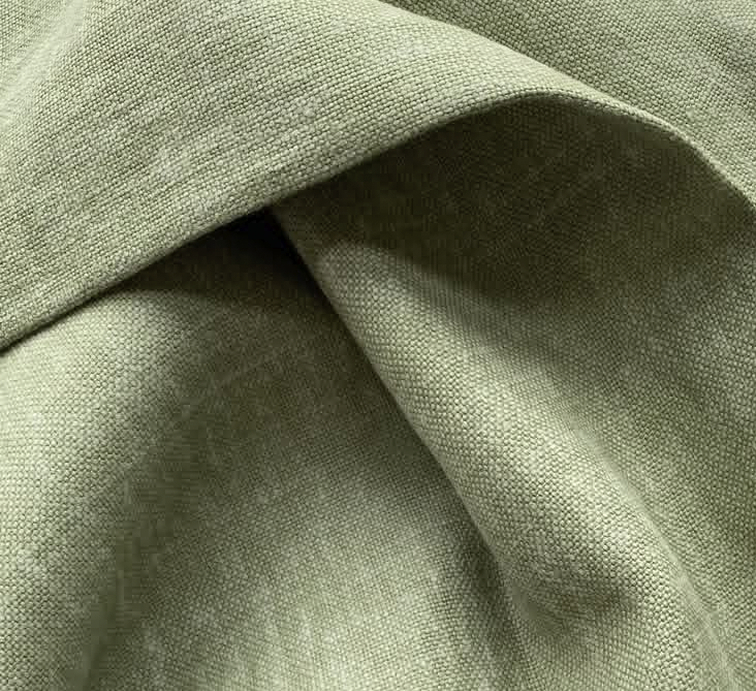
A look at the essential elements that give a suit its structure, proportion, and character.
A well-made suit is more than a jacket and a pair of trousers.
Look closely and you discover an architecture of proportions, layers and details—each designed to create a particular relationship between cloth and body. The finest tailoring is rarely about decoration. It is about balance: how a shoulder meets the arm, how a lapel frames the chest, how a jacket falls from the waist, and how the trousers complete the silhouette.
The beauty of a suit often lies in what is almost imperceptible.
The Shoulder: Where the Silhouette Begins
The shoulder establishes the first impression of a jacket.
A structured shoulder can create a stronger, more commanding silhouette. A softer shoulder follows the natural line of the body, creating a more relaxed expression.
Neither is inherently better.
The choice depends on the character of the suit—and the character of the person wearing it.
The ideal shoulder should feel intentional without looking constructed.
The Chest: The Architecture Within
Beneath the surface of a tailored jacket lies its internal construction.
Traditionally, jackets may use a canvas structure that helps the garment mould naturally to the body. Different construction methods influence how the jacket sits, moves and ages.
This hidden architecture is one reason two jackets made from similar cloth can feel completely different when worn.
What you cannot see often determines what you feel.
The Lapel: A Line of Character
Few details have as much visual influence as the lapel.
Notch lapels are versatile and familiar. Peak lapels introduce a sharper, more assertive line. Shawl lapels create a continuous curve, most often associated with eveningwear.
But shape is only part of the story.
Width matters.
So does the relationship between the lapel, shoulder and chest.
A beautifully proportioned lapel doesn’t demand attention. It simply makes the entire jacket feel right.
The Jacket Length: Finding Balance
A jacket must establish a visual relationship between the upper and lower body.
Too short, and the proportions can feel disrupted.
Too long, and the silhouette can appear heavy.
The right length creates balance—allowing the jacket, shirt and trousers to exist as one composition rather than separate pieces.
This is one of the quiet skills of a good tailor: knowing when something is correct without making it conspicuous.
The Waist: Structure Without Constraint
The waist determines how much shape a jacket gives the body.
A strongly suppressed waist creates a more sculpted silhouette. A softer suppression gives a more relaxed appearance.
The finest tailoring does not simply make the body look smaller or larger.
It creates proportion.
The jacket should follow the body without fighting it.
The Sleeve: Where Movement Becomes Visible
Sleeves are often overlooked until they are wrong.
Their length, pitch and relationship with the shoulder influence how naturally the jacket moves.
A small amount of shirt cuff showing beneath the sleeve can create a deliberate visual transition between jacket and shirt.
It is a modest detail.
Yet, like many things in tailoring, modest details accumulate.
The Trousers: Completing the Architecture
A suit does not end at the jacket.
The trousers complete the silhouette.
Their rise, waistband, pleats, leg width and break all influence how the body is perceived.
A higher rise can create a longer visual line through the leg. Pleats can introduce ease and movement. A clean break creates a more traditional appearance, while a shorter break can feel contemporary.
The important thing is not to follow a single formula.
It is to create harmony.
The Fabric: The Character of the Suit
Construction creates the framework.
Fabric gives it personality.
Wool, linen, cotton, silk and blends each behave differently. Weight affects drape. Texture affects appearance. Fibre affects movement and comfort. Colour changes the mood entirely.
This is why fabric selection should happen alongside decisions about construction and purpose—not as an afterthought.
A summer suit should behave like summer.
An evening suit should carry a different presence.
A travel suit should move with its wearer.
The cloth should serve the life of the garment.
The Details That Define It
Then come the details:
Buttons.
Buttonholes.
Pockets.
Stitching.
Lining.
Cuffs.
Collar.
Vents.
Individually, they may seem small.
Together, they establish character.
A patch pocket can make a jacket feel relaxed. A flap pocket introduces structure. A double vent changes the back silhouette. A hand-finished buttonhole carries a different visual language from a purely functional one.
Good tailoring doesn’t necessarily add more detail.
It chooses the right details.
The Suit as a Whole
The true anatomy of a suit is therefore not simply a list of parts.
It is the relationship between them.
Shoulder to lapel.
Chest to waist.
Jacket to trouser.
Fabric to construction.
Structure to movement.
Tradition to personality.
When these relationships are considered carefully, a suit begins to feel almost effortless.
That is the paradox of exceptional tailoring:
The more precisely it is constructed, the less constructed it appears.
A great suit doesn’t announce its architecture.
It simply makes the person wearing it look unmistakably themselves.